Tips and Tricks
Making modifications to our day to day lives can sometimes feel overwhelming – especially when it comes to our diet. The key to success with any lifestyle change is choosing activities and modifications that are ultimately sustainable long term.
If you’re living with Cushing’s disease you may have heard about low-carbohydrate ketogenic diets (LCKD) and very low-calorie ketogenic diets (VLCKD). While there is evidence to support these types of diets we understand that adopting what can sometimes be seen as strict diets can be challenging. In general, we want to adopt a diet that helps us to control blood sugar, manage our weight and supports both heart and bone health all while watching our caloric intake.
We aim to make life with Cushing’s Disease a little easier by providing some simple tricks to keep on track!

If it grows from the ground- keep it around!
(and yes that includes fruits!)
A diet rich in fresh vegetables and fruits can help to provide low calorie, high fiber, nutrient dense foods for our body. These foods will keep us fuller longer and not rack up the calories and carbohydrates as quickly as more processed options.
When shopping, go for fresh berries like strawberries, raspberries, blueberries and blackberries. Frozen berries are also a great option as frozen produce is picked at the height of freshness and flash frozen to maintain the nutritional integrity of the product. Frozen fruit is also less expensive making it a little easier on our wallets!


The same goes for veggies- to save a little try checking out your local farmers markets; you can find great deals on local, seasonal produce. Additionally, most markets accept SNAP benefits.
Frozen vegetables, like frozen fruits, are also a great, budget friendly option. It’s best to avoid canned vegetables as there are often added preservatives like salt. If canned options are easiest for you because that is what is available – just be sure to check the label for sodium content. Many brands offer reduced and no salt-added options. These are a great choice!
Hot tip! Vegetables like okra and collard greens are not only low calorie and high fiber but pack plenty of vitamin D and Calcium which help to support bone health!
Protein- but don't go crazy!
Prioritizing protein in your diet is important with Cushing’s disease as muscle breakdown is common. That said, protein is very popular and trending in today’s culture. While maintaining adequate intake of lean protein is important in a Cushing’s friendly diet – don’t get carried away with what you see on social media!
If you’re an average adult you should be looking to consume about 0.8kg of protein per kilogram of body weight. So, a 165 person (75kg) should consume 60 grams of protein a day. There are a wide variety of lean options like chicken, tofu, eggs and fish. If you like red meat, look for grass fed options as they will contain less total fat, fewer calories and be higher in omega-3 fatty acids – which support our heart health!
Hot tip- Don’t have a kitchen scale at home but you’re wanting to be more mindful about portion size? A 4-ounce serving of meat is typically the size of a deck of playing cards! Keep that in mind when you’re dealing out dinner!

Protein at a glance
Boneless, skinless chicken breast- 43 grams in a cup
Tofu – 18 grams of protein per 4 ounces
Eggs – 6 grams of protein per 1 large egg
Fish – salmon – 23 grams of protein in 4 ounces
Fish – (Bumble Bee Low Sodium Solid White Albacore) – 32 grams of protein per 5 ounce can
Grass fed beef (90%+ lean, ground) – about 20 grams of protein per 4 ounces

Knowledge Checkpoint!
1. What’s an easy way to determine how much protein you should get in a day?
Skip the salt- not the flavor
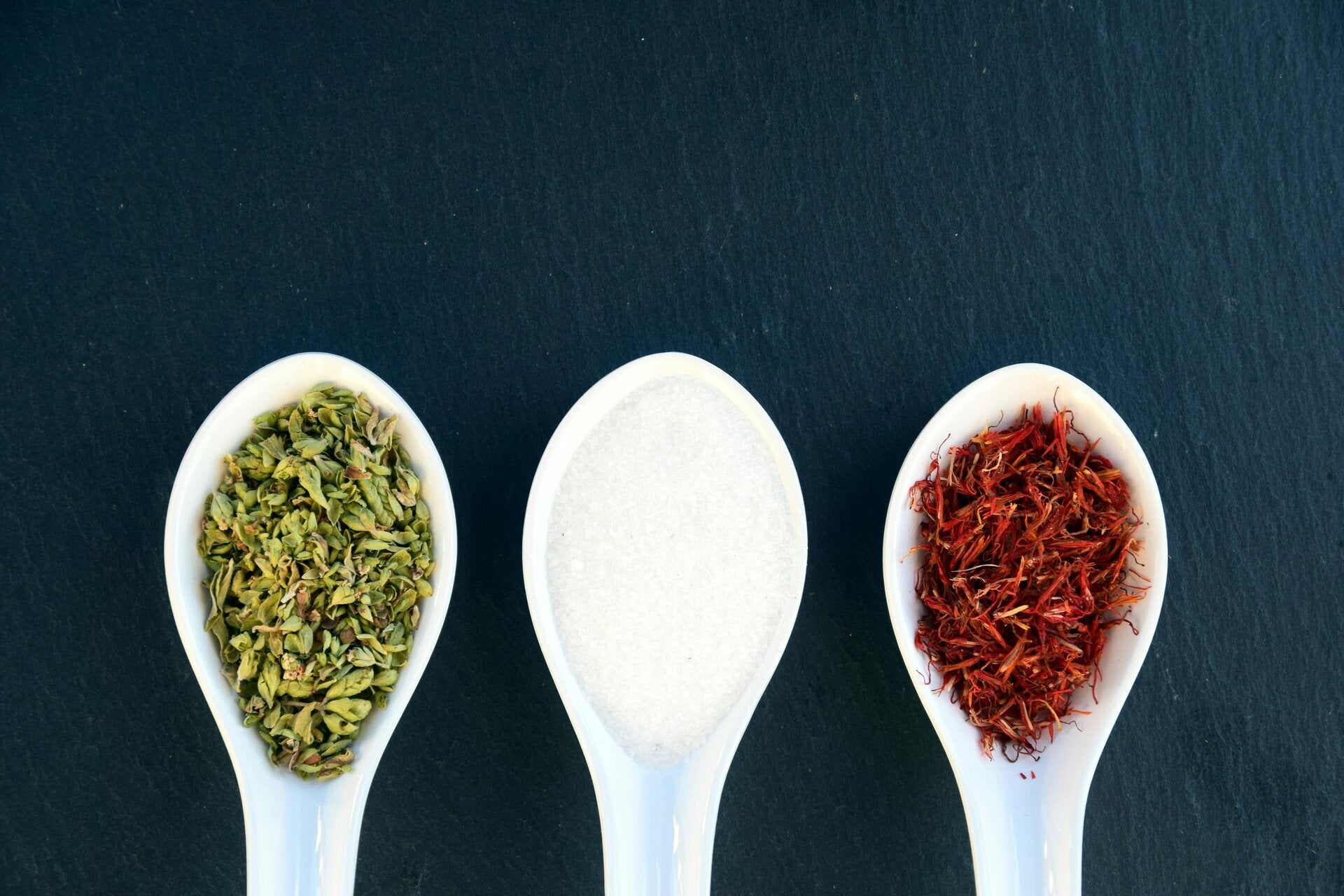
Salt makes things taste good – we all get that but too much salt can create complications in Cushing’s Disease. When living with Cushing’s we should aim to keep our sodium intake to less than 2000 mg a day. Elevated cortisol levels in Cushing’s disease can cause greater sodium retention and potassium loss which can cause hypertension and edema and lead to weight gain and cardiovascular stress. If you’re looking to add tons of flavor without all the added salt try fresh herbs, vinegar or lemon juice.
Knowledge Checkpoint!
Pick the low sodium option!
1) Potato chips
2) 1 cup of fresh blueberries
3) Whole grain toast
4) ½ cup of cottage cheese

Get a move on!
Keeping active is important for everyone but in Cushing’s disease keeping active is an essential part of disease management. You don’t need to rush out to a gym and purchase an expensive membership though – there are simple modifications we can make in our daily lives to help maintain a more active lifestyle. Walking (especially after meals) is a great way to burn calories. Just a brief 10-to-15-minute walk after a meal can help to manage blood sugar spikes and assist muscles in consuming glucose for energy. Opting to take the stairs over the elevator or escalator is another way to get those steps in. Work from home? Try out a walking pad under a standing desk.
Knowledge Checkpoint!
1. Make a list of 4-5 simple things you can do in your day to day to be more active. You don’t have to do each thing every day – but aim to incorporate a couple into your daily routine!
We cannot stress the importance of protecting mental health.
Many people living with Cushing’s Disease also have psychiatric illness, with depression being the most common. Be sure to carve out time in your day to focus on you. Self-care is king. Breathing and mindfulness exercises are a great way to help lessen our stress levels and help with overall mental well-being. Did you know essential oils have been shown to help with symptoms of depression and anxiety? Try an essential oil diffuser or even a bar of lavender soap the next time you shower! There are many changes that can happen to our bodies with Cushing’s disease as well. If you are feeling overwhelmed – talk therapy or support groups can be a great tool to help manage the emotional aspects of Cushing’s.
Create Your Own Website With Webador